A connected collection
Home safety, room by room
Start with the room and the actual household routine. Separate access controls, equipment instructions and work that needs an appropriate professional.
Observe, assign, then resolve
Begin with a room walk-through and a short action list. Describe what is reachable, name who owns each question and keep the child away from unresolved hazards while the work is arranged.
Use the task-specific guides for openings, storage, windows and powered equipment. Each includes an original household example and a different record for the relevant instructions and handoff. These records do not certify installations or replace supervision.
Keep related decisions together: door and window escape access, drawer controls and furniture stability, and a television with its support and leads. Reopen the plan when the room, equipment or child’s abilities change.
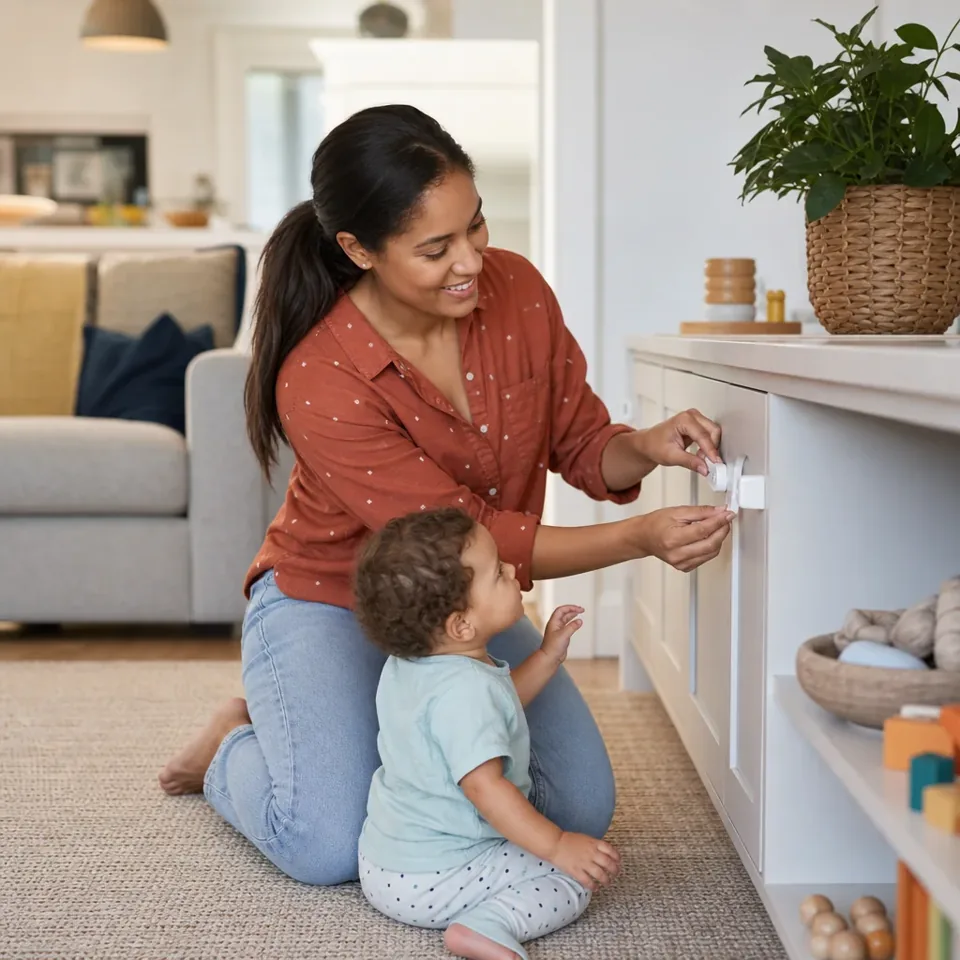 Action planner
Everyday care
Turn a home walk-through into a useful action plan
Name the observed situation, the person responsible and the evidence needed before an action can be considered complete.
Read the guide Opening record
Everyday care
Baby gates: match the equipment to the opening
Keep the opening, mounting questions, model instructions and daily closure routine together before putting a gate into use.
Read the guide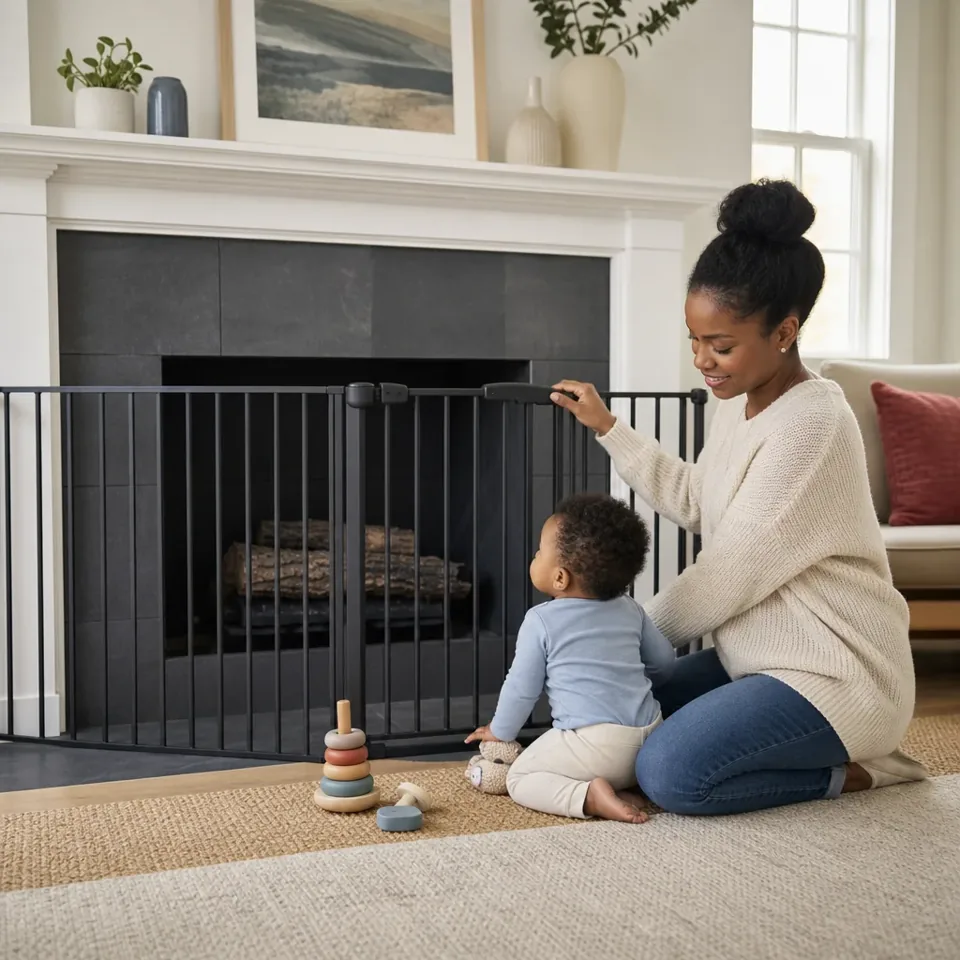 Room planning
Everyday care
Plan the fireplace area before lighting a fire
Separate heat, access, tools and the after-use handoff. Make a room plan grounded in the actual appliance instructions.
Read the guide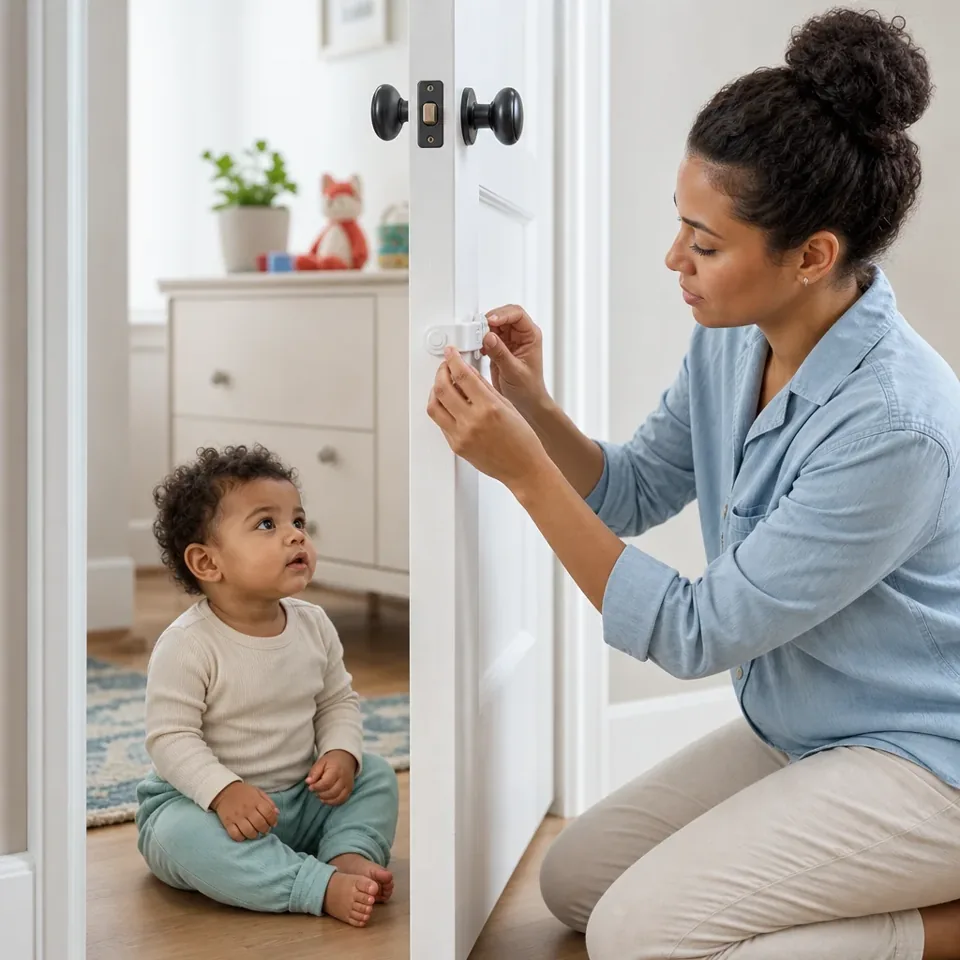 Access worksheet
Everyday care
Internal doors: plan access and everyday movement
Describe the job a door needs to do, check device compatibility and keep emergency access in the same conversation.
Read the guide Appliance record
Everyday care
Refrigerator access: a practical household plan
List each opening, dispenser control and nearby loose item, then connect the appliance instructions with the grocery routine.
Read the guide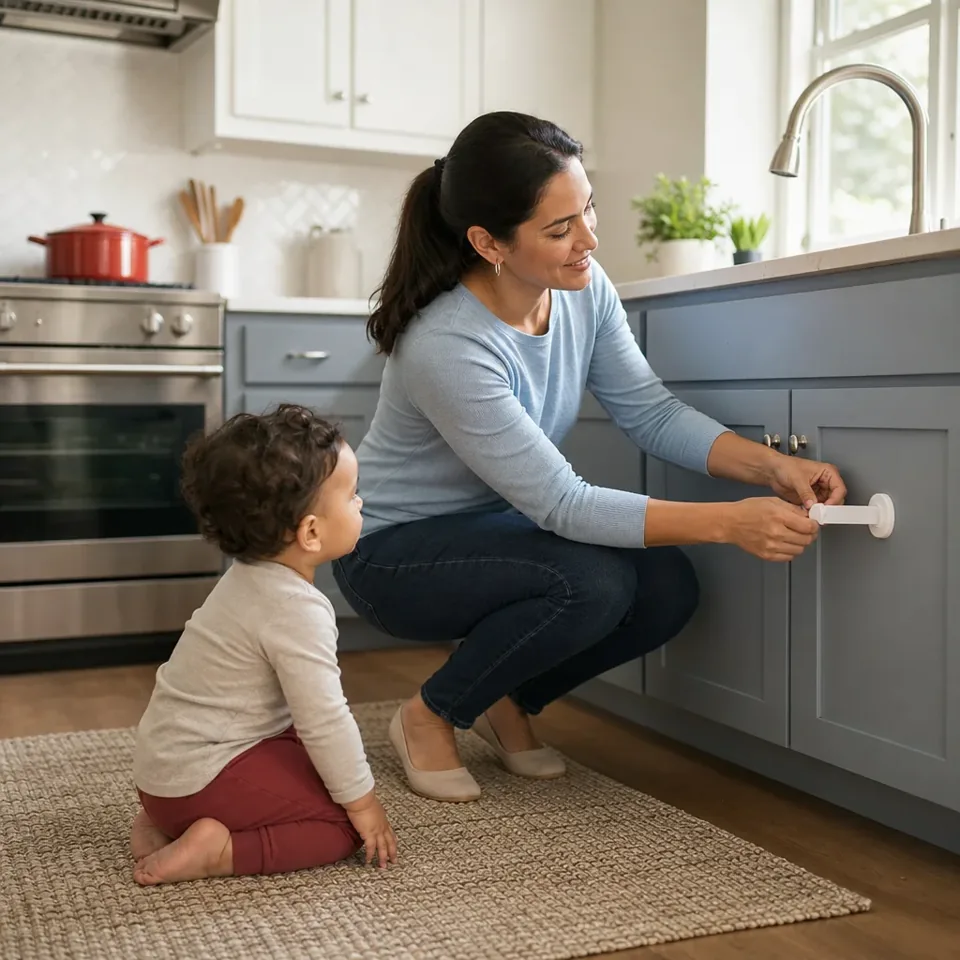 Household workflow
Everyday care
A kitchen plan for cooking with a child at home
Map hot-food routes, appliance movements and storage. Give supervision and clean-up jobs an explicit owner.
Read the guide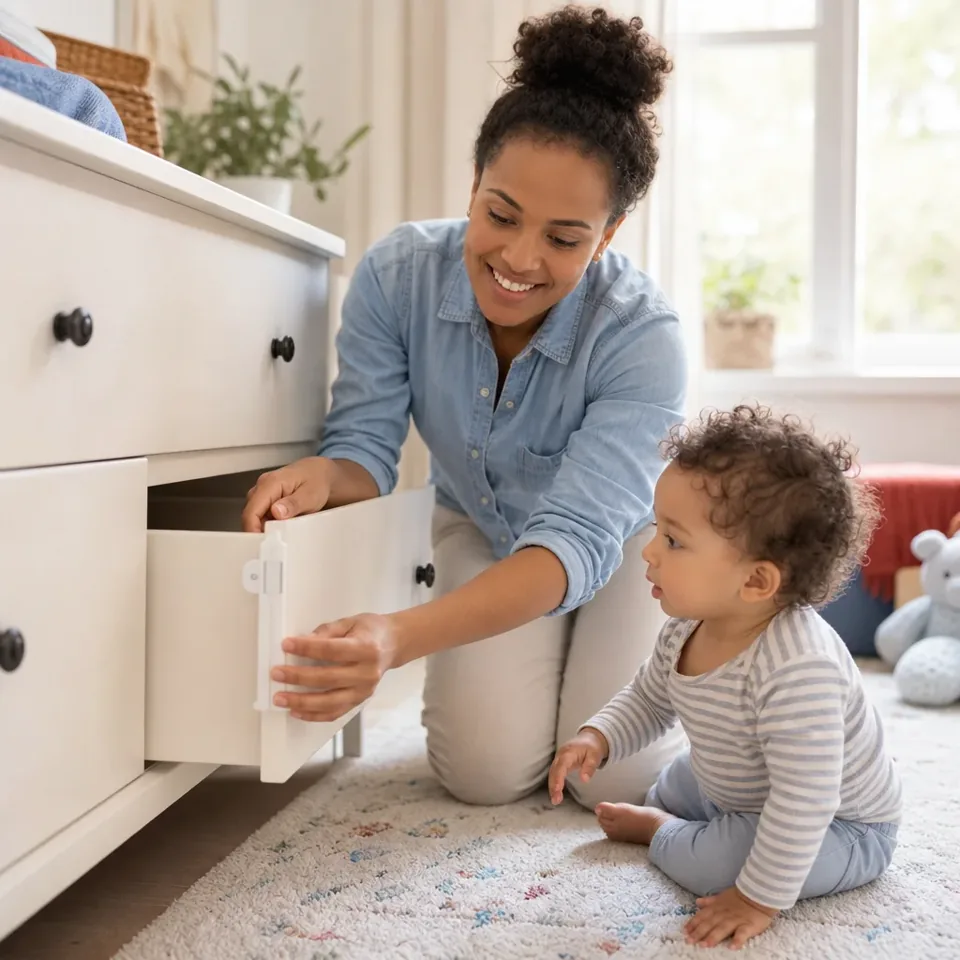 Storage worksheet
Everyday care
Drawer access and furniture stability are separate jobs
Inventory the contents, identify the actual construction and keep latch questions separate from furniture anchoring.
Read the guide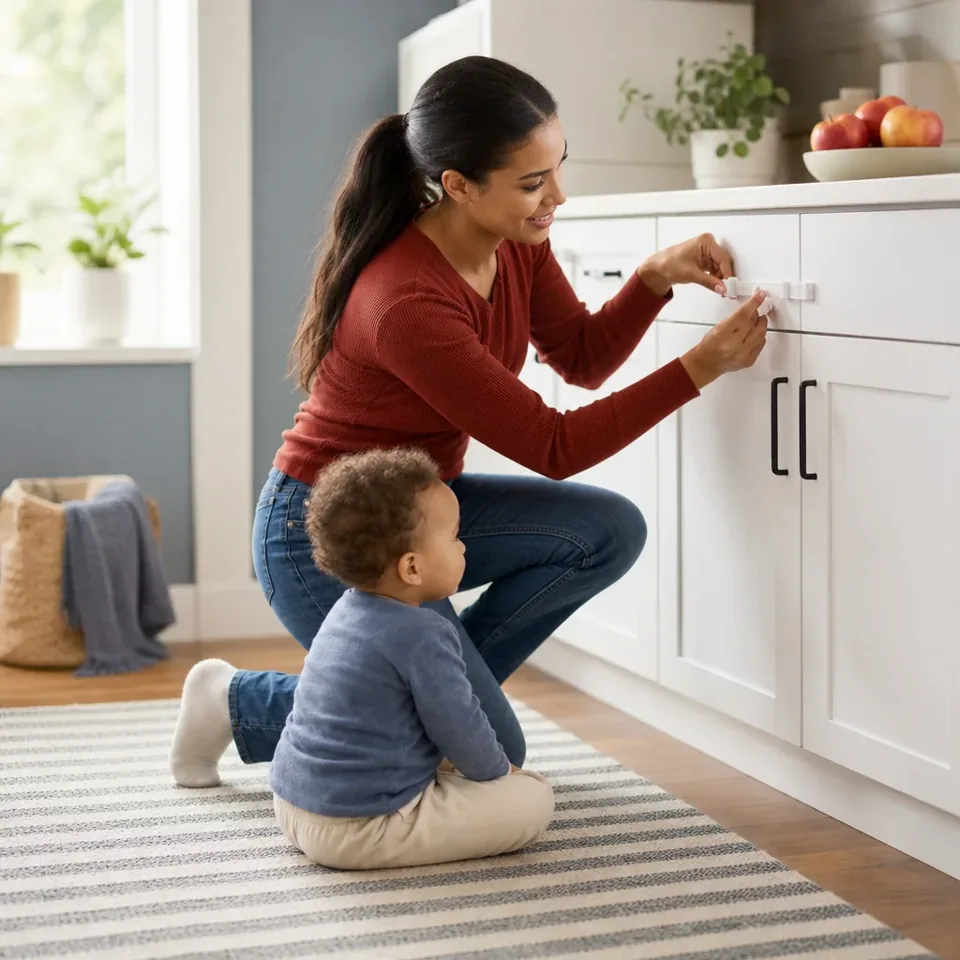 Storage planning
Everyday care
Give cabinet contents a secure destination
Start with the hazardous contents, check the cabinet and device instructions, and make put-away part of the task.
Read the guide Observation record
Everyday care
Make an electrical access inventory without doing wiring
Record visible outlets, appliances and lead routes. Separate household arrangements from work needing a qualified electrician.
Read the guide Connection inventory
Everyday care
Unfamiliar wall connections: identify before altering
Trace the visible connection, equipment and loose accessories, then give the identification question to the appropriate person.
Read the guide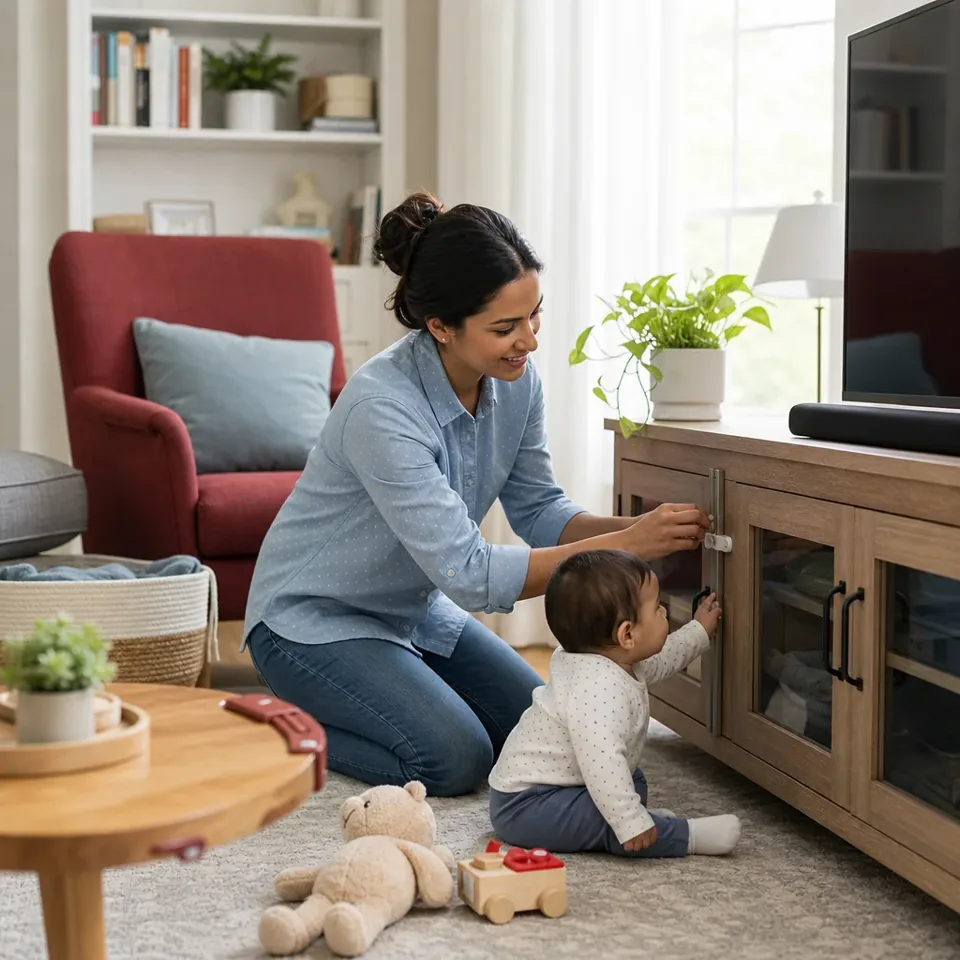 Room worksheet
Everyday care
A living-room plan for ordinary family life
Consider furniture, windows, adult belongings and the routes people use. Make the daily reset work alongside equipment checks.
Read the guide Equipment planning
Everyday care
Keep the television, support and cables in one record
Separate mounting, furniture, powered equipment and accessory storage before changing the media area.
Read the guide Window worksheet
Everyday care
Window access: include fall prevention and escape
Record the opening, furniture, covering cords and required escape access before choosing a window device.
Read the guide Outdoor planning
Everyday care
Plan the route from the house to outdoor play
Account for water, access controls, garden supplies and changing supervision responsibilities before the outing begins.
Read the guide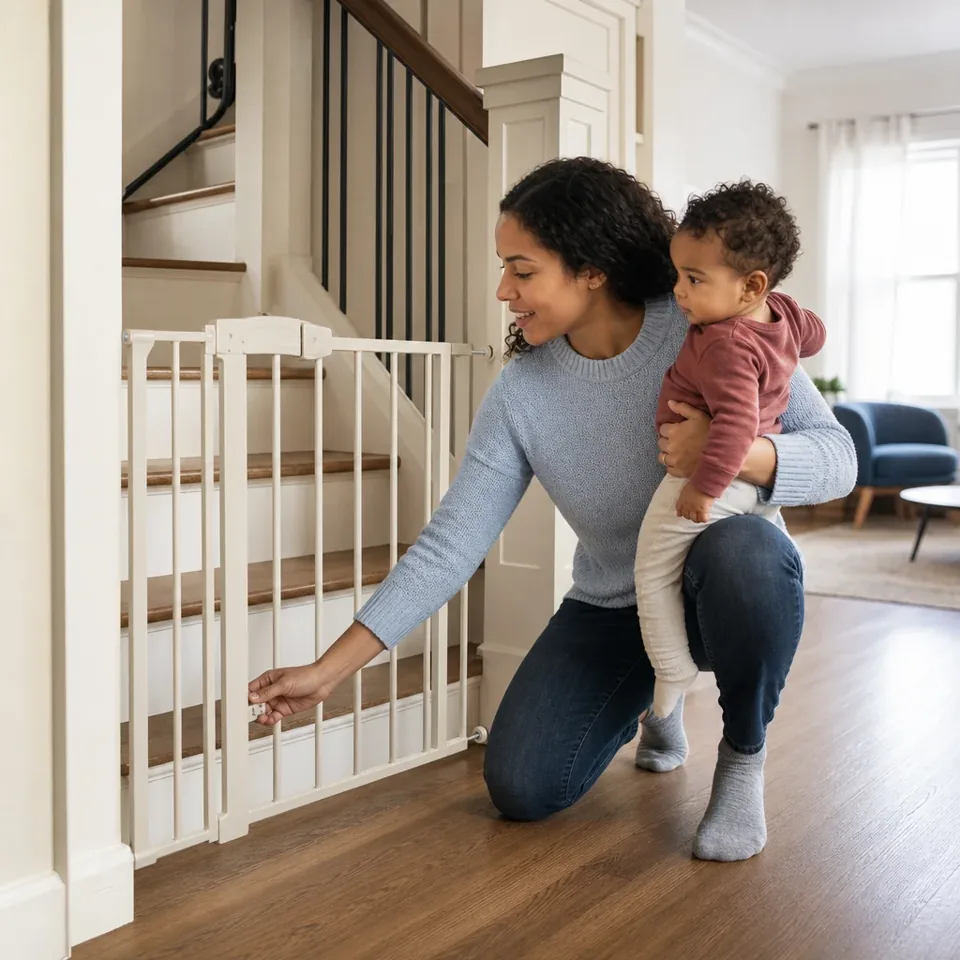 Access worksheet
Everyday care
A practical plan for baby-proofing stairs
Map the landing, resolve mounting questions, and make closing the gate part of the way your household moves.
Read the guide