The refrigerator plan should explain how adults use the kitchen without giving a young child unsupervised access to the appliance or its surroundings.
Observe an ordinary kitchen visit
Note which door opens, where people stand while unloading and what gets set on the floor. Look at the handle, dispenser controls, nearby drawers and the route between the refrigerator and work surface. This is an observation exercise; do not let a child test whether a proposed restraint can be defeated.
Write down the model before looking at add-on devices. Check its manual for placement, installation and accessory restrictions. The CPSC furniture and appliance tip-over campaign is a reminder to consider stability as well as door access. Ask the appliance manufacturer or installer about the actual unit. Do not invent an anchoring method or drill into the casing.
Keep the control compatible with adult use
If considering a child-access device, check that its instructions cover your door arrangement and surface. French doors, a freezer drawer and a single-door refrigerator present different movements. Record adhesive preparation and inspection requirements from the product instructions rather than borrowing them from a different latch.
Check how a caregiver will open, close and verify the door while putting groceries away. Include any adult who cannot comfortably use the proposed mechanism. A plan that is routinely bypassed needs a different arrangement, not stronger wording on a reminder note. Keep the child supervised away from the working area while unresolved access questions are being addressed.
Include the things around the refrigerator
Remove loose decorative magnets and other small reachable items from the child's area. Account for bags left after shopping and objects stored on adjacent furniture. If dispenser controls can be locked, find out from the appliance manual what that feature controls; do not assume it also locks a door. Keep the correct manual accessible to the next caregiver.
A household planning example
The freezer drawer was missing from the first note
A family's original checklist says “fridge latch.” Their appliance has two upper doors and a lower freezer drawer, so that label leaves an entire opening unaccounted for. They replace it with a simple opening list and record the question for each part. They also move the shopping-bag drop point to an adult-controlled area. The written handoff distinguishes the dispenser setting from the door-control arrangement and names the person responsible for asking the manufacturer about accessory compatibility.
Make it your own
Map refrigerator openings and the daily routine
Use the fields for your practical notes, then print a copy for the handoff. Entries stay on this page and reset on reload.
These fields do not save or send your entries. Avoid private health, access, or contact details. Without JavaScript, you can still fill in and print the page with your browser.
Next, organize access around kitchen appliances and move hazardous supplies into controlled storage.
The basis for this guide
Sources & editorial notes
Primary sources support the health, safety, and technical statements linked above. Worked examples and household worksheets are practical illustrations prepared for this guide; they are not product tests.
Revised October 31, 2026. No independent medical or specialist review is credited to this edition. Read our editorial standards.
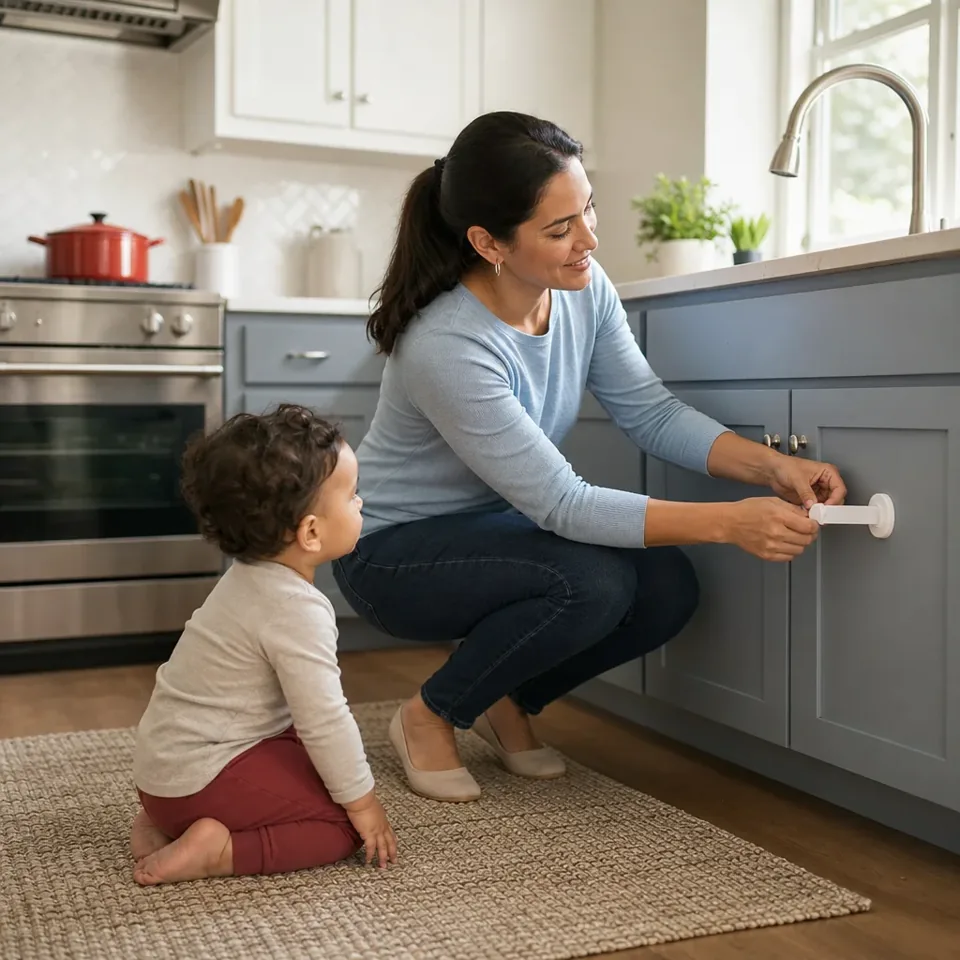
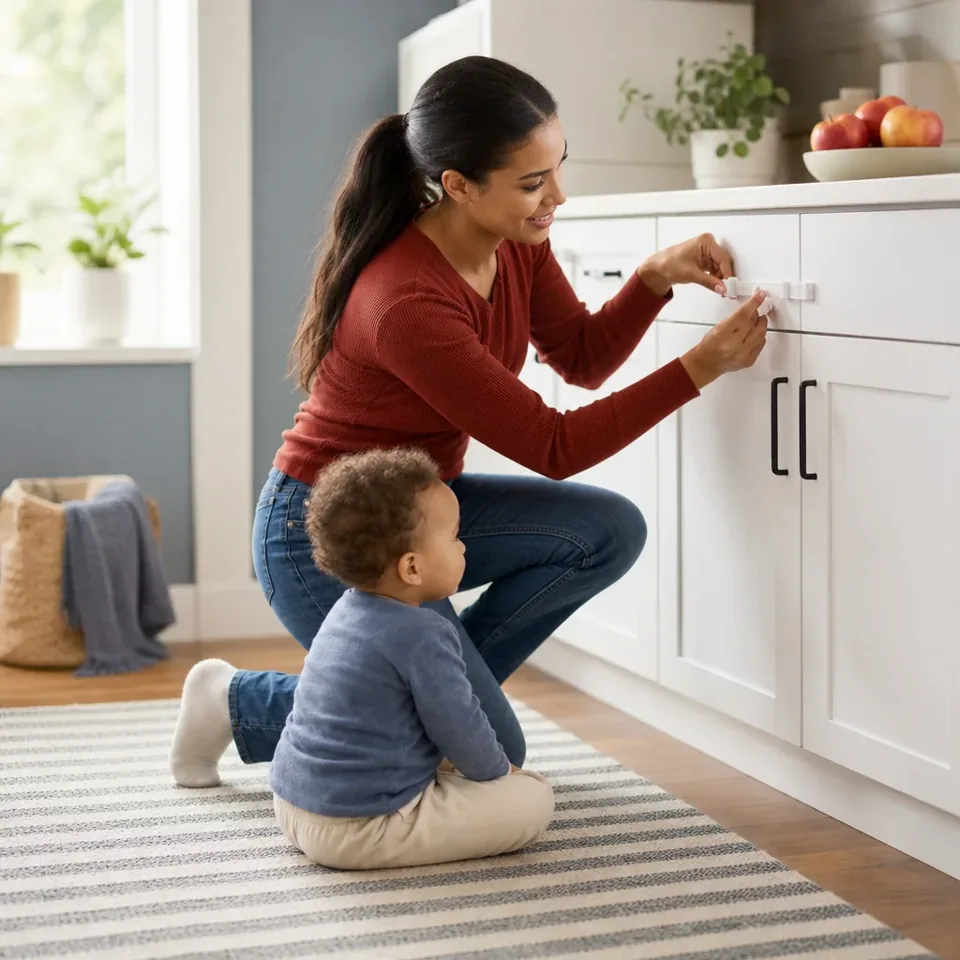
Illustrative imagery accompanies our guides; it does not document testing, a reader’s home, or a clinical assessment.
Report a correction ↗