This is an equipment check, not an individual feeding, sleep or weaning plan.
Identify the pacifier before comparing styles
Check the exact product, intended age range and construction. The AAP pacifier-safety guidance favors construction that cannot come apart, a firm ventilated shield at least 1½ inches across, and using the recommended age range. Check the model in the CPSC recall database, including items received as gifts.
Do not make a pacifier from a bottle nipple and ring or assume an attached toy makes it suitable for every use. If you have questions about introduction, breastfeeding or an individual medical need, ask the child's clinician. This guide does not prescribe a fixed week for every baby to start or stop.
Keep care tied to the exact product
Read the cleaning directions before boiling, dishwashing or applying a product. Keep a clean spare in an appropriate place and separate it from a used item. Do not fill the nipple with liquid, freeze it into a homemade popsicle or add sweeteners. An intact ordinary pacifier should not become a homemade feeding or teething device.
The AAP warns against tying a pacifier to the baby's neck, hand or crib. Do not improvise a cord to solve repeated dropping. Keep the storage plan and the use instructions separate: a case carried in a bag does not need to become an attachment worn by the child.
Inspect rather than waiting for a deadline
Look for wear and follow the maker's replacement instructions. AAP guidance specifically says to replace discolored or torn rubber. Set aside an item with damage or a loose component instead of mending it. Check that every caregiver knows which items are ready, which have been used and which are no longer to be offered.
An illustrative outing reset
One case, two different states
A caregiver returns with a used pacifier in the clean-spare case. The next adult cannot tell what is ready. They change the arrangement so used items go to a separate place for the specified cleaning. During the reset, they remove a damaged spare rather than leaving it in the bag because the package's replacement date has not arrived.
Make it your own
Track equipment questions, not private care details
Use the fields for your practical notes, then print a copy for the handoff. Entries stay on this page and reset on reload.
These fields do not save or send your entries. Avoid private health, access, or contact details. Without JavaScript, you can still fill in and print the page with your browser.
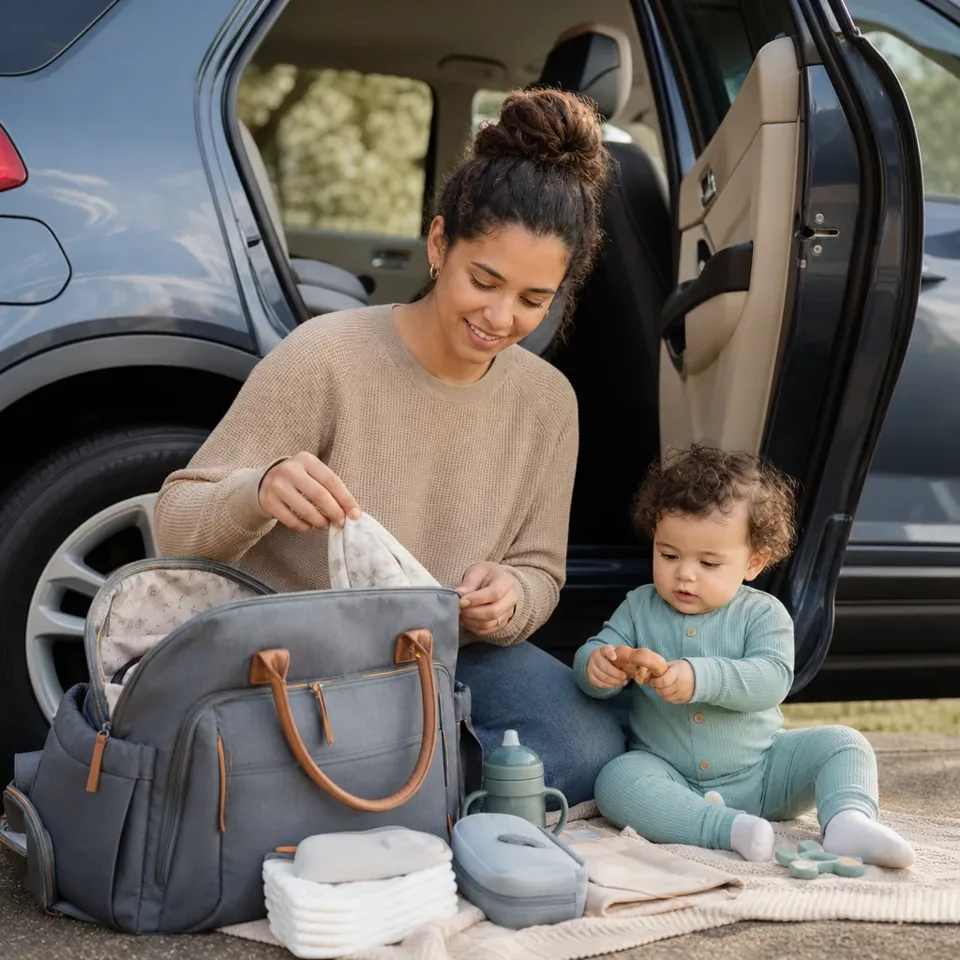
For chewing comfort, use the teether guidance rather than modifying a pacifier. Pack the clean spare within a changing-and-comfort kit that gets reset after outings.
The basis for this guide
Sources & editorial notes
Primary sources support the health, safety, and technical statements linked above. Worked examples and household worksheets are practical illustrations prepared for this guide; they are not product tests.
Revised November 7, 2026. No independent medical or specialist review is credited to this edition. Read our editorial standards.
Illustrative imagery accompanies our guides; it does not document testing, a reader’s home, or a clinical assessment.
Report a correction ↗